Mantex

Tutorials, Study Guides & More

  • HOME
  • REVIEWS
  • TUTORIALS
  • HOW-TO
  • CONTACT
>> Home / Archives for 2009

Archives for 2009

Totally Weird and Wonderful Words

July 8, 2009 by Roy Johnson

a dictionary of obscure, unusual, and bizarre terms

Do you know what illecebrous, langsuir, and telematology mean? No – I thought not. They are ‘attractive’, ‘female vampire’, and ‘the study of peat bogs’ respectively. Not a lot of people know that. Of course, you might say that not many people would want to know that. But if you are one of the exceptions – people who are fascinated by etymology, unusual words, and obscure terms – Totally Weird and Wonderful Words is the book for you. It’s a collection of really out-of-the-way lexical items and words you have probably never heard of before. Entries run from abligurition (spending a lot on food) and abnormous (18th century, ‘mis-shapen’) to zoonosis (disease transmitted from animals to humans) and Zyrian (a north Russian language).
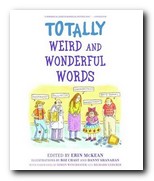
Totally Weird and Wonderful WordsThe alphabletised entries are interspersed with mini-essays on various categories of obscure terms, and laced with lots of New Yorker type cartoons. The weirdness of the entries might lie in a word’s obscure meaning, or it might be its unusual orthography – a strange conjunction of letters, as in kalokagathia (nobility and goodness of character).

It doesn’t pretend to be encyclopedic, but I was surprised that one of my own favourite obscure terms wasn’t in there. Borborygmous means ‘rumbling of gas in the stomach’ – and despite its quasi-medical connotations it always brings a smile to my face. But another of my favourites is included. Carphology is ‘the delirious fumbling with bedclothes prior to the onset of death’. Not a word you would need to use every day – but when applied at the right moment, very impressive.

Some which make sense (to a UK audience at least) are terms such as brannigans (the name of a chain of wine bars) which means ‘a drinking bout, a spree, or a binge’. And sometimes the examples are perfectly serious and reasonable – such as steganography, which is ‘the art of secret writing, or cryptography’.

Some are made up, such as igry, which is defined as ‘the way you feel when someone else does something that ought to embarrass them, but doesn’t’. Others are fanciful technical or quasi-scientific inventions.

There’s even a chapter at the end of the book giving you advice on how to create your own weird and wonderful words. However, you should remember that language is entirely democratic. New words will only ever become established if lots of people decide to use them – and that is usually because there’s a need for them. You could struggle for years putting together scientific and Latinate parts of speech – but unless there’s a real need for them, they will die unused. Meanwhile blogging, dogging, and gazumping have caught on because they serve a real purpose – though none are listed here.

Some of the words are clearly deft inventions; others are squeezed out of interpretations of classical terms (it helps if you know Latin and Greek); and others have interesting etymologies, but turn out to be disappointing. It’s interesting to know that there is a word for people who elect to have amputations for the sake of body modification, but somehow disappointing to learn that the word when you get there is only the rather plain nullo.

Some fall into the technical category of what might be called ‘extreme jargon’, as in the following definition of the term contango:

the fee that a buyer of stock pays to the seller to postpone transfer of the stock to the next or any future settlement date. It was also usually paid on a per share or percent basis. The word also has a modern meaning, ‘the condition in which distant delivery prices for futures exceed spot prices, often due to the costs of storing and insuring the commodity’. The antonym of contango is backwardation.

Phew! So now we know.

Many are so obscure it’s difficult to imagine there ever being an occasion when they might be used – either in conversation or in print – such as dromaeognathous, which means ‘having a palate like that of an emu’.

In keeping with its total weirdness, this is a book with three introductions and two forewards. In fact you can open it at any page and be amazed or amused – or both, simultaneously.

© Roy Johnson 2007

Totally Weird and Wonderful Words   Buy the book at Amazon UK

Totally Weird and Wonderful Words   Buy the book at Amazon US


Erin McKean (editor), Totally Weird and Wonderful Words, New York: Oxford University Press, 2007, pp.304, ISBN: 0195312120


More on language
More on literary studies
More on writing skills
More on creative writing
More on grammar
Filed Under: Dictionaries, Language use Tagged With: Dictionaries, Language, Language use, Reference, Totally Weird and Wonderful Words

Towards Electronic Journals

July 20, 2009 by Roy Johnson

future directions for academic publishing

Academic publishing is in crisis. In the past, university researchers have been dependent on publishers to print and distribute their work in the form of books and scholarly journals. Now that they realise they can use the Internet, it’s time to change. Here are the arguments. Academics are under pressure to publish. If they produce articles, books, and research papers which are assessed by their peers, this helps them to promote their careers – and we may or may not be wiser for what they write. All this is done at the expense of taxpayers, who foot the bill for their salaries whilst they spend time writing. Academic publishers take their works and turn them into marketable products. And who buys these very specialised products? Well, very few people actually. Mainly research libraries – also funded by taxpayers’ money.

Towards Electronic JournalsThere’s an interesting conjunction here. Academic authors receive very little in the way of royalties from these sales. A five percent payment on sales is normal for a book. Zero percent is equally normal for a journal; and there have recently been tales of writers paying publishers to produce their work.

D’you think that’s bad? There’s worse to come. At the moment, because the UK academic ratings are taken at fixed intervals, some publishers have recently been making it known that a payment from authors would help, just to move their work up the production schedule, in time for the next assessment.

The authors have actually been paid already in terms of time off from a salaried post to produce the works [the system of termly and yearly ‘sabbaticals’ – that is, fully paid leave]. They will be rewarded by the salary increases (and more time off) which come with promotion. But at the very time when cuts in public expenditure mean that libraries are no longer able to subscribe to expensive journals and books which only a few people read – along comes the World Wide Web.

This was actually created (and here’s a further irony) so that academic researchers could share their findings across the Internet – doing so quickly and free from any commercial restrictions. If you write a paper on rocket science, you can put the results directly onto a web site and announce the fact to special interest groups. That way, you can invite feedback, critical comment, and peer review – and receive it fairly quickly, instead of having to wait up to two years as you would if the paper was put into the dinosaur production methods of commercial publishers.

Everyone loses as a result of this sequence of events: scientists are paying more in their time to obtain needed articles, libraries are paying higher subscription fees while providing less information, and because of this, their funders are concerned and sceptical about increased costs.

Publishers, on the other hand, are severely criticized, and they continue to lose subscribers, prestige, and the potential advertising revenue that accompanies higher circulation. In other words, the increased prices have resulted in a lose, lose, lose, lose situation for publishers, scientists, libraries, and their funders.

Scholarly journals take a long time to produce; they are very expensive; and very few people read them. Why bother then, when the same results can be made available fast, free of charge, and to a much wider audience? These are some of the fundamental issues underpinning this book. It’s an investigation into basic questions related to publishing in this form. How much does it cost? What are the trends in scholarly article authorship and readership? What are the overall implications of electronic journals to publishers, libraries, scientists, and their funders?

The argument on costs is overwhelming. Electronic publishing saves on printing costs, re-printing costs, storage costs, archiving, and inter-library loan costs. And all the other arguments return again and again to the obvious advantages of electronic publication. Yet Carol Tenopir and Donald King are no revolutionaries – in fact they are not even very radical.

They point out that readers both inside and outside universities will continue to demand materials in printed form. Which is true. It’s amazing how many people continue to print out documents – for the sake of convenience, and habit. And throughout the entire study they assume that the production of journals will be organised and conducted by commercial publishers, making charges for access and subscriptions. This might be true – for a while.

The information they assemble in answer to their own questions seems therefore to be provided as answers to the basic questions raised by this interesting cultural phenomenon.

It’s a study which is aimed at researchers, librarians, publishers, and anyone interested in electronic publication, and they go out of their way to provide hard evidence for decision-makers.

They offer a realistic examination of what scientists, publishers, and librarians can expect from scholarly journals, based on hard quantitative evidence. This provides revealing information with which to address such searching questions as:

  • Are printed journals worth saving?
  • What are the consequences of escalating journal prices?
  • Will electronic journals replace print journals?
  • What is the current readership of scientific journals – in both print and electronic form?
  • What are the costs of publishing in print and electronic form?

They go into the finest details of pricing, cost-per-reader, and variations of delivery – but it is all posited on the notion that ‘journals’ are most naturally available in printed form. The details even include the history of scholarly journals; subsidies; and readership behaviour – including even the number of hours required to keep abreast of a subject.

If you are interested in one of the lesser-known but burgeoning forms of electronic publishing – then you should find this a rich source of hard facts for the debate. And if it’s a subject close to your academic heart, let me strongly urge you to read it in conjunction with Anne Okerson’s Scholarly Journals at the Crossroads in which the arguments for electronic publication and self-archiving were first made available in printed form.

© Roy Johnson 2001

Towards Electronic Journals Buy the book at Amazon UK

Towards Electronic Journals Buy the book at Amazon US


Carol Tenopir and Donald W. King, Towards Electronic Journals: Realities for Scientists, Librarians, and Publishers, Washington, DC: Special Libraries Association, 2000, pp.488, ISBN 0871115077


More on publishing
More on journalism
More on creative writing
More on writing skills


Filed Under: Publishing, Writing Skills Tagged With: Academic writing, Electronic journals, Publishing, Technology, Towards Electronic Journals

Treasury of Sayings and Quotations

July 29, 2009 by Roy Johnson

origins of quotes, proverbs, and expressions

This Treasury of Sayings and Quotations is a compilation of phrases, bon mots, and observations from sources all over the world. Some are well known, and others are novelties drawn out of the data-bank of human wisdom from all over the world which you are invited to enjoy or send into further circulation. Oxford University Press do a lot of these quotation dictionaries: their Humorous Quotations, Catchphrases, Idioms, Literary Quotations, and Modern Quotations are all very popular.

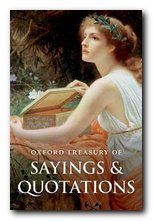
Treasury of Sayings and Quotations The distinctive feature in this compilation is that it has multiculturalism writ large in its selection of materials. They range from the folk-like African proverb When the spiders unite, they can tie up a lion, to the more obviously urban Russian maxim, We pretend to work, they pretend to pay us. The categories are arranged alphabetically – from Ability and Africa, through Marriage and Memory, to Women, Words, Writing and Youth. Then the entries under each topic are arranged chronologically – so, under Writing we go from II Maccabees in the Bible, to Derek Walcott in the Guardian of 1997.

I come from a backward place: your duty is supplied by the life around you. One guy plants bananas; another plants cocoa; I’m a writer, I plant lines. There’s the same clarity of occupation, and the same sense of devotion.
Derek Walcott 1930

Shakespeare of course crops up in more categories than you can shake a stick at [which is not listed]: The course of true love never did run smooth (Midsummer Night’s Dream) and Is it not strange that desire should so many years outlive performance? (Henry IV, Part 2).

It’s been brought up to date with entries such as shock and awe, dodgy dossier, and the mother of battles which cast a chilling light on the people who used them in the last few years.

It includes well-chosen words from Biblical times to the present day, proverbs from around the world, and well-known phrases and quotations, giving their sources and revealing the contexts from which they emerged. There are even explanations of terms as unlikely as this from the world of recreational drug use:

chase the dragon
take heroin by heating it on a piece of kitchen tin foil and inhaling the fumes. The term is said to be translated from Chinese, and to arise from the fact that the fumes and the molten heroin powder move up and down the piece of tin foil with an undulating movement resembling the tail of the dragon in Chinese myths.

More than a thousand new items have been added to the latest (fourth) edition. I am never quite sure what use people make of these compilations, but once you open them, they are very difficult to close. It’s the easy browsing I suppose – plus the fact that every entry is a gem of condensed human experience.

© Roy Johnson 2011

Treasury of Sayings and Quotations   Buy the book at Amazon UK

Treasury of Sayings and Quotations   Buy the book at Amazon US


Oxford Treasury of Sayings and Quotations, Oxford: Oxford University Press (4th edn) 2011, pp.720, ISBN: 0199609128


More on language
More on literary studies
More on writing skills
More on creative writing
More on grammar

Filed Under: Dictionaries Tagged With: Cultural history, Dictionaries, Dictionary of Phrase Saying & Quotation, Language, Phrases, Quotations, Reference, Sayings

Tricia Guild Pattern

June 26, 2009 by Roy Johnson

interior design and furnishing with style and colour

Tricia Guild is an interior designer and the brand name behind a successful company which features a vivid array of fabrics and furnishings – all of which feature striking colours, bold pattern, and luxurious textures. To live with this style you have to be confident enough to choose wallpapers with huge floral designs, curtains which are multi-coloured and decorated with magnificent swags, and be prepared to upholster your three piece suites with fabrics which grab you by the lapels. You need to put turquoise silk next to hot red damask, and if you want to achieve some of the effects illustrated here your house needs to be spotlessly clean and full of marble.

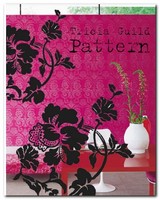
Tricia Guild PatternOrnate gold mirrors, and fresh-cut flowers which offset the decor in every room would be a help too. She is inspired by fabrics, techniques, motifs and designs from all over the world and from every period of history – brocades and damasks from the Far East; the rich history of botanical illustration and flower painting; checks, plaids and stripes from northern Europe; vibrant ethnic prints from India and Central America; painterly designs from Chinese and European porcelain; the bold abstracts and geometric patterns of contemporary painters.

Not that it’s all entirely in-your-face colour and bold pattern. She also has some subtle and restrained examples of ticking used to create a cool, contemporary atmosphere. But those are the exception. Most of the book is filled with hot, passionate colours, and rich textures emphasised by extreme close-up photographs. There’s a whole chapter on the use of flowers in fabric patterns – tulips, poppies, roses, and chrysanthemums.

I feel a bit sorry for the people who supply the text for these books. They are competing for the reader’s attention against overwhelming odds. The visuals drown out everything. And yet Elspeth Thompson has some interesting things to say about the nature of pattern and she offers thoughtful analyses of the interiors illustrated in the examples shown.

Many of the pages are like Howard Hodgkin paintings. It’s difficult not to be seduced by the visual texture of it all. My recipe for these interior design style books is to look at the overall effect, then choose one element on each page which you could incorporate into your own home. It could be the colour scheme, the positioning of furniture, the lighting, or (in this case) the use of patterned fabrics to breathe life into a room.

The book itself is a bibliographic reflection of this torrid style. It’s printed on thick paper, with occasional translucent inserts, beautifully photographed and illustrated – and has a cover jacket that’s like flock wallpaper from an Indian restaurant.

© Roy Johnson 2006

Tricia Guild   Buy the book at Amazon UK

Tricia Guild   Buy the book at Amazon US


Tricia Guild and Elspeth Thompson, Pattern, London: Quadrille, 2006, pp.208, ISBN: 1844003264


More on design
More on media
More on web design


Filed Under: Individual designers, Lifestyle Tagged With: Decorative arts, Design, Interior design, Lifestyle, Tricia Guild: Pattern, Trisha Guild

Troublesome Words

May 31, 2009 by Roy Johnson

A-Z of problematic English words – with explanations

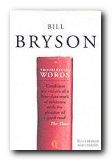
Before he became a best-selling travel writer, Bill Bryson worked as a sub-editor on The Times. This is a successful guide to problems of English language he wrote for journalists at the time, now updated and in its third edition. It’s arranged on an A to Z basis – running from abbreviations and acronyms, through mean and median (know the difference?) to wondrous, years’ time, and zoom. He explains words we commonly misunderstand, words we confuse, tricky issues such as foreign terms, and points of grammar such as split infinitives. And he does this with all the verve and wit which have made him such a well-loved writer.

English LanguageHe’s particularly good at showing the subtle distinctions between similar words (such as amid and amongst) and words which are easily confused (such as blatant and flagrant).

I couldn’t agree with him on data being a plural noun – but he does invite readers to challenge his judgements. You have to be on your intellectual toes. Sometimes his explanations are rather cryptic

Comprise means to contain. The whole comprises the parts and not vice versa.

But the correlative of this is that he packs a lot in. And occasionally this terseness works entirely to his advantage:

When something is not working properly, it is defective; when it is missing a necessary part, it is deficient.

The reason there are all these problems with English is that we have so many different terms for the same thing. Bill Bryson explains all this in his other excellent book Mother Tongue, to which this is a follow-up. He also throws in all sorts of extras – such as how to pronounce the name of the fish coelacanth (see-luh-kanth).

You will almost certainly learn about the meaning of words you never thought about before. Did you know the difference between ‘expectorate’ and ‘spit’ for instance?

There’s a very good bibliography and a glossary. Anybody interested in sharpening their writing skills will profit from reading this book. It’s a reference guide, a tutorial, and a very entertaining insight into language niceties for the general reader.

© Roy Johnson 2009

Troublesome Words   Buy the book at Amazon UK

Troublesome Words   Buy the book at Amazon US


Bill Bryson, Troublesome Words, London: Penguin Books, 3rd edn, 2009, pp.256, ISBN: 0141040394


Filed Under: Language use Tagged With: Etymology, Language, Reference, Spelling, Words, Writing skills

Tutor comments on essays

August 25, 2009 by Roy Johnson

sample from HTML program and PDF book

1. Tutor comments written on your essay script are the most detailed response you are likely to receive on what you have produced. You should take the trouble to read these comments carefully, and learn from them as much as you can.

2. Where there is no comment on the script you can usually assume that your argument is to the point. Tutors often find it difficult to comment on an argument which is relevant and well articulated. Ticks on the script are usually a sign that your writing is dealing with the issues required.

3. If you are answering the question successfully there may not be much for the tutor to say, except to offer encouragement and suggestions for further development at the end of the essay. [This however should not be taken as an endorsement of lazy script-marking.]

4. Your tutor may correct the first instance of a common mistake, then ignore subsequent occurrences. This often happens with spelling problems, for instance. You should take careful note, and try to learn the correct form.

5. Be sure to read the tutor’s comments at the end of the script. Don’t just check the grade awarded to your work. The comments represent valuable feedback and response to what you have written.

6. A comment such as ‘What does this mean?’ usually suggests ‘Your argument is not very clear at this point of the essay’ or ‘You are not showing the relevance of this topic to the question’.

7. The tutor may use square brackets [these] to indicate those parts of your argument which are not really necessary – as in this example.

… just as Mansfield Park [by the novelist Jane Austen] is a novel which is concerned with the theme of ‘improvement’

8. If the tutor invites you to discuss a particular issue in person, then take up the offer. But don’t abuse this arrangement. Tutors can easily become irritated by students ‘seeking further clarification’ too frequently.

9. Be academically modest. Be prepared to learn from your mistakes. Put into practice those suggestions made by the tutor. After all, they are made for your benefit, not for the convenience of the tutor.

10. The most noticeable advances in essay-writing skills are usually made by those students who take notice of each new suggestion offered for improvement. They are also likely to incorporate these ideas on a permanent basis. That is, once a new strategy or technique is adopted it becomes a skill which is used regularly. Subsequent suggestions for improvement are also incorporated in the same way.

11. Conversely (and not surprisingly) those students who make the least improvement in their work are those who seem to disregard tutor comments. They require the same notes of ‘advice for improvement’ with each successive essay. Do yourself a favour – take notice of your tutor’s comments.

12. See the selection of marked essays in Writing Essays 3.0 for examples of typical tutor comments.

© Roy Johnson 2003

Buy Writing Essays — eBook in PDF format
Buy Writing Essays 3.0 — eBook in HTML format


More on writing essays
More on How-To
More on writing skills


Filed Under: Writing Essays Tagged With: Academic writing, Esays, Reports, Study skills, Term papers, Tutor comments, Writing skills

Twentieth Century – literary timeline – part 1

July 26, 2009 by Roy Johnson

a chronicle of events, literatures, politics, and the arts

1895. X-rays discovered; invention of the cinematograph; trial and imprisonment of Oscar Wilde; Wilde, The Importance of Being Earnest and An Ideal Husband; H.G. Wells, The Time Machine.

1896. Wireless telegraphy invented; Abyssinians defeat occupying Italian forces – first defeat of colonising power by natives; Thomas Hardy, Jude the Obscure; Anton Chekhov, The Seagull; Daily Mail first published.

1897. Queen Victoria’s Diamond Jubilee; Henry James, The Spoils of Poynton , What Masie Knew; Bram Stoker, Dracula.

1898. Second Anglo-Boer War begins. Henry James, The Turn of the Screw ; Thomas Hardy, Wessex Poems; George Bernard Shaw, Plays Pleasant and Unpleasant; H.G. Wells, The War of the Worlds.

1899. British disasters in South Africa. Schoenberg Verklarte Nacht; Henry James, The Awkward Age; Kate Chopin, The Awakening; Anton Chekhov, Uncle Vanya.

1900. Freud’s Interpretation of Dreams, Einstein’s General Theory of Relativity, Joseph Conrad, Lord Jim; Deaths of Nietzsche, Wilde, and Ruskin; Max Planck announces quantum theory. Daily Express started.

1901. Queen Victoria dies – Edwardian period begins; First wireless communication between UK and USA; H.G.Welles, The First Men in the Moon; Rudyard Kipling, Kim; First Nobel prize for literature – R.P.A.Sully Prudhomme (F).

1902. End of Boer War; Henry James, The Wings of the Dove;
Arnold Bennett Anna of the Five Towns; Joseph Conrad, Heart of Darkness; Nobel prize – T. Mommsen (G).


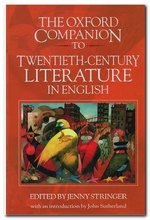
Click for details at AmazonOxford Companion to Twentieth Century Literature in English is a new reference guide to English-language writers and writing throughout the present century, in all major genres and from all around the world – from Joseph Conrad to Will Self, Virginia Woolf to David Mamet, Ezra Pound to Peter Carey, James Joyce to Amy Tan. Includes entries on literary movements, periodicals, and over 400 individual works, as well as articles on some 2,400 authors, plus a good introduction by John Sutherland.


1903. First flight in heavier-than-air machine by Wright brothers in USA; first silent movie, The Great Train Robbery; Henry James, The Ambassadors; Daily Mirror started; Nobel prize – B. Bjornson (N).

1904. New York subway opens; Russo-Japanese war begins; Henry James, The Golden Bowl; Joseph Conrad, Nostromo; Anton Chekhov, The Cherry Orchard; Death of Chekhov; Nobel prize – F. Mistral (F) and J. Echegary (Sp).

1905. ‘Bloody Sunday’ massacre of protesters in St Petersburg; Einstein, Special Theory of Relativity; Freud, Theory of Sexuality; E.M. Forster, Where Angels Fear to Tread; Nobel prize – H. Sienkiewicz (P).

1906. First Liberal government in UK; death of Ibsen; General strike in Russia – followed by first (limited) democratic parliament; Women’s Suffrage movement active; San Francisco destroyed by earthquake and fire; Labour Party formed. Nobel prize – G. Carducci (I)

1907. Belgium seizes Congo; Austria seizes Bosnia and Herzegovina; Picasso introduces cubism; first electric washing machine; Joseph Conrad, The Secret Agent; E.M.Forster, The Longest Journey; Nobel prize – Rudyard Kipling (UK)

1908. Ford introduces Model-T; Elgar’s First Symphony; E.M.Forster, A Room with a View; first Old Age Pensions; Nobel prize – R. Eucken (G)

1909. Ford produces first cheap cars – Model T; Death of George Meredith; Bleriot flies across English Channel; Marinetti’s Futurist Manifesto; Vaughn Williams Fantasy on a Theme of Thomas Tallis; Nobel – S. Lagerlöf (S)


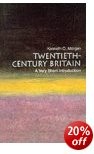
The Twentieth CenturyTwentieth-century Britain is an account of political, industrial, commercial, and cultural development in England, Wales, Ireland, and Scotland. It’s particularly strong on the changing face of government, and it also relates issues of the day to the great writers and artists of the period. This ‘very short introduction’ series offers a potted account of the subject in handy pocket-book format, with plenty of suggestions for further reading.


1910. Death of Tolstoy, Edward VII, and Florence Nightingale; E.M.Forster, Howards End; Arnold Bennett, Clayhanger; H.G.Wells, The History of Mr Polly; Nobel prize – P. Heyse (G).

1911. Rutherford discovers structure of atom in Manchester; Chinese revolution; Joseph Conrad, Under Western Eyes; D.H. Lawrence, The White Peacock; Nobel prize – M. Maeterlink (Be).

1912. China becomes a republic following revolution; Sinking of the Titanic; railway, mining, and coal strikes in UK. Daily Herald started; Schoenberg Pierrot Lunaire; Nobel prize – G. Hauptmann (G)

1913. New Statesman started; first crossword puzzle; Thomas Mann, Death in Venice; D.H. Lawrence, Sons and Lovers; Stravinsky The Rite of Spring; Nobel prize – R. Tagore (In)

1914. Outbreak of first world war; first traffic lights; Panama Canal opened; James Joyce, Dubliners; Marcel Proust begins to publish A la recherche du temps perdu (Remembrance of Things Past); Nobel prize – not awarded.

1915. First air attacks on London; Germans use poison gas in war; Franz Kafka, Metamorphosis; Einstein, General Theory of Relativity; D.H. Lawrence, The Rainbow; Ford Maddox Ford, The Good Soldier; D.W.Griffith, The Birth of a Nation; Nobel prize – R. Roland (F).

1916. First Battle of the Somme; Battle of Verdun; Australians slaughtered in Gallipoli campaign; Easter Rising in Dublin; James Joyce, Portrait of the Artist as a Young Man; Prokofiev Classical Symphony; Nobel prize – V. von Heidenstam (S).

1917. USA enters the war; October Revolution in Russia; battle of Passchendaele; T.S. Eliot Prufrock and Other Observations; Nobel prize – K. Gjellerup (D) and H. Pontoppidan (Da).

1918. Second Battle of the Somme; German offensive collapses; end of war [Nov 11]; Votes for women over 30; influenza pandemic kills millions; Lytton Strachey, Eminent Victorians; Nobel prize – not awarded.

1919. Peace Treaty ratified at Versailles; Einstein’s Relativity Theory confirmed during solar eclipse; Breakup of former Habsburg Empire; Alcock and Brown make first flight across Atlantic; prohibition in US; Ronald Firbank, Valmouth; Franz Kafka, In the Penal Colony; Nobel prize – K. Spitteler (Sw).

next

© Roy Johnson 2005


Twentieth century literature
More on language
More on literary studies
More on grammar


Filed Under: 20C Literature, Literary studies Tagged With: Cultural history, timelines, Twentieth century

Twentieth Century – literary timeline – part 2

September 28, 2009 by Roy Johnson

a chronicle of events, literature, and politics

1920. League of Nations established; Oxford University admits women;
D.H. Lawrence, Women in Love; Nobel prize – K. Hamsun (N).

1921. Irish Free State proclaimed; extreme inflation in Germany; Fatty Arbuckle scandal in US; Nobel prize – Anatole France (F).

1922. Fascists march on Rome under Mussolini; Kemel Ataturk founds modern Turkey; T.S. Eliot, The Waste Land; James Joyce, Ulysses; Katherine Mansfield, The Garden Party; Ludwig Wittgenstein, Tractatus Logico-Philosophicus; John Galsworthy, The Forsyth Saga; Nobel prize – J. Benavente (Sp).

1923. Charleston craze; BBC begins radio broadcasting in the UK; William Walton Facade; Nobel prize – W.B. Yeats (Ir).

1924. First UK Labour government formed under Ramsey MacDonald (lasts nine months); Deaths of Lenin, Franz Kafka, and Joseph Conrad; Thomas Mann, The Magic Mountain; E.M. Forster, A Passage to India; Nobel prize – W. Raymont (P).

1925. John Logie Baird televises an image of a human face; Webern Wozzeck; Adolf Hitler, Mein Kampf; Virginia Woolf, Mrs Dalloway; Nobel prize – George Bernard Shaw (UK).

1926. UK General Strike; first demonstration of television in UK; Fritz Lang, Metropolis; Nobel prize – G. Deledda (I).

1927. Lindbergh flies solo across Atlantic; first talkie film – Al Jolson in ‘The Jazz Singer’; Virginia Woolf, To the Lighthouse; Nobel prize – Henri Bergson (Fr).


Oxford Companion to Twentieth Century Literature - Click for details at AmazonOxford Companion to Twentieth Century Literature in English is a new reference guide to English-language writers and writing throughout the present century, in all major genres and from all around the world – from Joseph Conrad to Will Self, Virginia Woolf to David Mamet, Ezra Pound to Peter Carey, James Joyce to Amy Tan. Includes entries on literary movements, periodicals, and over 400 individual works, as well as articles on some 2,400 authors, plus a good introduction by John Sutherland.


1928. Women in UK get same voting rights as men; Death of Thomas Hardy; first Oxford English Dictionary published; penicillin discovered;
D.H. Lawrence, Lady Chatterley’s Lover; Evelyn Waugh, Decline and Fall; Nobel prize – S. Undset (N).

1929. Slump in US, followed by collapse of New York Stock Exchange; Start of world economic depression; Second UK Labour government under MacDonald;
Virginia Woolf, A Room of One’s Own; first experimental television broadcast; Kurt Weil The Threepenny Opera; Nobel prize – Thomas Mann (G).

1930. Mass unemployment in UK; Death of D.H. Lawrence.
William Faulkner, As I Lay Dying; Nobel prize – Sinclair Lewis (US).

1931. Resignation of UK Labour government, followed by formation of national coalition government; Empire State building completed in New York; Virginia Woolf, The Waves; Nobel prize – R.A. Karfeldt (S).

1932. Hunger marches start in UK; scientists split the atom; air conditioning invented; Aldous Huxley, Brave New World; Nobel prize – John Galsworthy (UK).

1933. Adolf Hitler appointed Chancellor of Germany; first Nazi concentration camps; prohibition ends in US; Radio Luxembourg begins commercial broadcasts to UK; George Orwell, Down and Out in Paris and London;Jean Vigo, L’Atalante; Nobel prize – Ivan Bunin (USSR).

1934. Hitler becomes Dictator; Evelyn Waugh, A Handful of Dust; Samuel Beckett, More Pricks than Kicks; Nobel prize – Luigi Pirandello (I).

1935. Germany re-arms; Italians invade Abyssinia (Ethiopia); Prokofiev Romeo and Juliet; Nobel prize – not awarded.

1936. Death of George V in UK, followed by Edward VIII, who is forced to abdicate; Stalinist show trials in USSR; Civil War in Spain begins; Germany re-occupies the Rheinland; BBC begins television transmissions; Aaron Copland El Salon Mexico; Nobel prize – Eugene O’Neil (USA).

1937. Neville Chamberlain UK prime minister; Destruction of Guernica;
George Orwell, The Road to Wigan Pier; Nobel prize – Roger Martin du Gard (Fr).


Twentieth Century Britain - Click for details at AmazonTwentieth-century Britain is an account of political, industrial, commercial, and cultural development in England, Wales, Ireland, and Scotland. It’s particularly strong on the changing face of government, and it also relates issues of the day to the great writers and artists of the period. This ‘very short introduction’ series offers a potted account of the subject in handy pocket-book format, with plenty of suggestions for further reading.


1938. Germans occupy Austria; Chamberlain meets Hitler to make infamous Munich ‘agreement’ to prevent war; Samuel Beckett, Murphy; John Dos Passos, USA; Nobel prize – Pearl S. Buck (USA).

1939. Fascists win Civil War in Spain; Stalin makes pact with Hitler; Germany invades Poland; Britain and France declare war on Germany; helicopter invented;
James Joyce, Finnegans Wake; Nobel prize – F.E. Silanpaa (Fi).

1940. Germany invades north-west Europe; Fall of France; British troops evacuated from Dunkirk; Battle of Britain; Start of ‘Blitz’ bombing raids over London; Churchill heads national coalition government; assassination of Trotsky; Nobel prize – not awarded.

1941. Germany invades USSR; Japanese destroy US fleet at Pearl Harbour; USA enters the war; siege of Leningrad; Deaths of James Joyce and Virginia Woolf; Orson Wells, Citizen Kane; Nobel prize – not awarded.

1942. Battle of Stalingrad; Battle of Midway; Beveridge report establishes basis of modern Welfare State; T-shirt invented; Nobel prize – not awarded.

1943. Anglo-American armies invade Italy; Warsaw uprising; Nobel prize – not awarded.

1944. D-Day invasion of France; ball-point pens go on sale; German V1 and V2 rockets fired; R.A. Butler’s Education Act; Aaron Copland Appalachian Spring; Nobel prize – J.V. Jensen (Da).

1945. End of war in Europe; Atomic bombs dropped on Japan; first computer built; microwave oven invented; United Nations founded; huge Labour victory in UK general election; Atlee becomes prime minister, George Orwell, Animal Farm; Nobel prize – G. Mistral (Ch).

1946. Churchill’s ‘Iron Curtain’ speech; Nuremberg war trials; bikinis introduced; United Nations opens in New York; Nobel prize – Herman Hesse (Sw)

1947. Marshall Plan of aid to Europe; Jewish refugees turned away by UK; Polaroid camera invented; coal and other industries nationalised in UK; transfer of power to independent India, Pakistan, and Burma. Thomas Mann, Doktor Faustus; Nobel prize – A. Gide (Fr)

1948. Berlin airlift; state of Israel founded; Railways and electricity nationalised in UK; Bevan launches National Health Service in UK. Nobel prize – T.S. Eliot (UK)

1949. East Germany created; Mao Tse Tung declares Republic of China; NATO founded; Simone de Beauvoir, The Second Sex; George Orwell, Nineteen Eighty Four; Nobel prize – W. Faulkner (USA)

The Twentieth Centurynext

© Roy Johnson 2009


More on How-To
More on literary studies
More on writing skills


Filed Under: 20C Literature, Literary studies Tagged With: Cultural history, History, Literary studies, Reference, Twentieth century

Twentieth Century – literary timeline – part 3

September 28, 2009 by Roy Johnson

a chronicle of events, literature, and politics

1950. India declares itself a republic; UK and USA attack Korea; first credit cards; first organ transplant; Billy Wilder, Sunset Boulevard; Nobel prize – Bertrand Russell (UK)

1951. Festival of Britain; first colour TV; Conservatives defeat Labour in UK general election; Churchill becomes prime minister; UK troops seize Suez Canal zone; Benjamin Britten Billy Budd; Samuel Beckett, Malloy; Nobel prize – P. Lagerkvist (S)

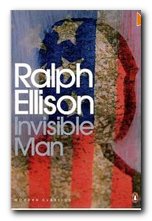
1952. Death of George V. Accession of Queen Elizabeth II at 25;
Ralph Ellison, Invisible Man; Nobel prize – F. Mauriac (Fr)

1953. DNA discovered; conquest of Everest; Death of Stalin – and Prokofiev on same day; Nobel prize – Winston Churchill (UK)

1954. British troops withdrawn from Egypt; Four-minute mile broken; Nobel prize – E. Hemingway (USA)

1955. European Union created; Warsaw Pact founded; V. Nabokov, Lolita; Patrick White, The Tree of Man; Nobel prize – H. Laxness (Ic)

1956. Khruschchev denounces Stalin at Communist Party Conference; Anglo-French invasion of Suez, followed by withdrawal; Hungarian uprising crushed by Soviets; Samuel Beckett, Malone Dies; Nobel prize – J. Ramon Jiminez (Sp)


Oxford Companion to Twentieth Century Literature - Click for details at AmazonOxford Companion to Twentieth Century Literature in English is a new reference guide to English-language writers and writing throughout the present century, in all major genres and from all around the world – from Joseph Conrad to Will Self, Virginia Woolf to David Mamet, Ezra Pound to Peter Carey, James Joyce to Amy Tan. Includes entries on literary movements, periodicals, and over 400 individual works, as well as articles on some 2,400 authors, plus a good introduction by John Sutherland.


1957. European Economic Community established; Homosexuality decriminalised in UK; Patrick White, Voss; Nobel prize – A. Camus (Fr)

1958. Orson Wells, Touch of Evil; Nobel prize – B. Pasternak (USSR) [forced to refuse it]

1959. Castro overthrows Batista regime in Cuba; first motorway opened in UK; Nobel prize – S. Quasimodo (I)

1960. Sharpville massacres in S Africa; new republics declared in Africa; Lady Chatterley’s Lover cleared of charges of obscenity in UK; J.F. Kennedy elected US president; Alfred Hitchcock, Psycho; Nobel prize – A. St. Leger (Fr)

1961. Adolf Eichman on trial for role in Holocaust; USSR makes first manned space flight; USA-backed Bay of Pigs attack in Cuba fails; Berlin Wall erected; Patrick White, Riders in the Chariot; Samuel Beckett, Happy Days; Nobel prize – L. Andric (Y)

1962. US sends troops to Vietnam; Cuban missile crisis; Nelson Mandela jailed; Please Please Me first Beatles hit; Nobel prize – J. Steinbeck (USA)

1963. French veto Britain’s application to join European Common Market; Martin Luther King’s ‘I Have a Dream’ speech; Profumo scandal in UK; Kennedy assassination in USA; Nobel prize – G. Seferis (Gr)

1964. Khruschchev deposed by Breshnev in USSR; Vietnam attacks US destroyer in Gulf of Tonkin; Labour party gains power in UK under Harold Wilson; Saul Bellow, Herzog. Nobel prize – J-P. Sartre (Fr) [prize not accepted]

1965. Malcolm X assassinated; India invades Pakistan; US air raids in Vietnam; anti-war protests in US and Europe; Harold Pinter, The Homecoming; Nobel prize – M. Sholokov (USSR) [authorship subsequently disputed]

1966. Black Panthers established in US; Cultural revolution under Mao in China; Britain wins Wold Cup in football; Nobel prize – Samuel Agnon, Nelly Sachs (Il)

1967. Israel seizes land in 6 day war; first heart transplant; first colour TV transmissions in UK; Stalin’s daughter defects to west; ‘Summer of Love’ hippy demonstrations in San Francisco; decriminalisation of homosexuality in UK; Gabriel Garcia Marquez, One Hundred Years of Solitude; Nobel prize – Miguel Angel Asturias (Gu)

1968. Martin Luther King assassinated; student protests in Paris; USSR invades Czechoslovakia; theatre censorship abolished in UK after 23 years; Tet offensive in Vietnam; Nobel prize – Yasunari Kawabata (Jp)

1969. UK troops sent into N Ireland; US puts first men on the moon; death penalty abolished in UK; precursor of the Internet, ARPANET created; Woodstock music festival; Monty Python’s Flying Circus first broadcast; Nobel prize – Samuel Beckett (Ire)

1970. My Lai massacre; Rubber bullets used in N Ireland; Allende elected socialist president in Chile; anti-government demonstrations in Poland; age of majority lowered to 18 in UK; invention of computer floppy disks; Germaine Greer, The Female Eunuch; Patrick White, The Vivesector; Nobel prize – Alexander Solzhenitsyn (USSR)

1971. Open University begins in UK; internment without trial in N Ireland; China joins UN; Nixon resumes bombing of Vietnam; video recorders introduced; Britain negotiates entry into EU; Nobel prize – Pablo Neruda (Ch)

1972. Miners strike in UK; Bloody Sunday in N Ireland; Watergate scandal begins in US; Nobel prize – Heinrich Böll (Gr)

1973. Allende government overthrown by Pinochet in Chile; industrial strikes in UK; Arab-Israeli war; abortion legalised in US; US pulls out of Vietnam; Britain enters the European Common Market; Nobel prize – Patrick White (Aus)

1974. Miners strike in UK; Impeachment and resignation of president Nixon in US; Nadine Gordimer, The Conservationist; Nobel prize – Eyvind Johnson, Harry Martinson (Sw)

1975. Margaret Thatcher elected leader of Tories in UK; Vietnam war ends with hasty retreat of US troops; first elections in Portugal for 50 years; Microsoft founded; Nobel prize – Eugenio Montale (It)

1976. Jeremy Thorpe resigns as UK liberal leader following sex scandal; Britain found guilty of torture in N Ireland; Jimmy Carter elected president in US; Patrick White, A Fringe of Leaves; Nobel prize – Saul Bellow (USA)

1977. First democratic elections in Spain since 1936; student activist Steve Biko tortured to death in S Africa; Punk rock fashionable; Nobel prize – Vicente Aleixandre (Sp)

1978. World’s first test tube baby; Nobel prize – Isaac Bashevis Singer (USA)

1979. Shah leaves Iran; Ayatollah Khomeni returns from exile in Paris; Islamic republic declared; Margaret Thatcher elected first woman PM in UK; first heart transplant; Pol Pot convicted of murdering 3 million in Cambodia; Francis Ford Coppola, Apocalypse Now; Nobel prize – Odysseus Elytis (Gk)


Twentieth Century Britain - Click for details at AmazonTwentieth-century Britain is an account of political, industrial, commercial, and cultural development in England, Wales, Ireland, and Scotland. It’s particularly strong on the changing face of government, and it also relates issues of the day to the great writers and artists of the period. This ‘very short introduction’ series offers a potted account of the subject in handy pocket-book format, with plenty of suggestions for further reading.


1980. USSR Nobel peace prizewinner Sakharov sent into internal exile; Mugabe’s establishes one-party ZANU(PF) state in Zimbabwe; outbreak of Iran-Iraq war; Solidarity trade union recognised by Polish government; Ronald Regan elected US president; John Lennon shot in New York; Nobel prize – Czeslaw Milosz (Po)

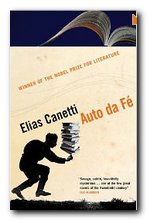
1981. Greece joins EEC; Social Democrats launched in UK – merges with Liberals; Peter Sutcliffe convicted of Yorkshire Ripper murders; Prince Charles marries Lady Diana Spencer; first reports of AIDS; Salman Rushdie, Midnight’s Children; Nobel prize – Elias Canetti (UK!)

1982. Argentina invades Malvinas (Falklands); UK re-takes islands; General Galtieri resigns; Polish government abolishes Solidarity; death of Breshnev; Nobel prize – Gabriel García Márquez (Co)

1983. Demonstrations in 20 Polish cities; IRA prisoners escape from Maze prison; US-backed invasion of Grenada; Cruise missiles installed in UK; Nobel prize – William Golding (UK)

1984. UK miners strike against pit closures; USSR boycotts Olympics in LA; Mrs Gandhi assassinated; Nobel prize – Jaroslav Seifert (Cz)

1985. USSR reforms of Glasnost and Perestroika called for by Gorbachev; Greenpeace ship sunk by French agents in NZ; Nobel prize – Claude Simon (Fr)

1986. Westland scandal in UK government; press disputes lead to move from Fleet Street to Wapping in UK; legal independence for Australia; US bomb Benghazi and Tripoli; Chernobyl nuclear disaster; 180-day detention without trial in S Africa; US and Commonwealth impose sanctions on South Africa; Nobel prize – Wole Soyinka (Ni)

1987. Gorbachev begins critique of Breshnev in USSR; white-only elections in S Africa; Gestapo chief Klaus Barbie guilty of crimes against humanity; Iran attacks US tanker in Persian Gulf; DNA first used to convict criminals; Nobel prize – Joseph Brodsky (USA)

1988. IRA members shot by UK in Gibraltar; first Gulf war begins; Gorbachev proposes democratic reforms in USSR; George Bush Snr president in US; Nobel prize – Naguib Mahfouz (Eg)

1989. Khomeini issues fatwa on Salman Rushdie’s Satanic Verses; Tiananamen Square massacre; elections, protests, and shakeups in Communist block; E Germany closes borders after demonstrations for reform; Iron Curtain begins to be removed; Romanian leader Ceausescu executed; playwright Vaclav Havel becomes Czech president; Tim Berners-Lee invents the World Wide Web; Nobel prize – Camilo José Cela (Sp)

1990. Lech Walesa becomes first president of Poland; Nelson Mandela freed after 27 years in jail; John Major replaces Margaret Thatcher as UK prime minister; Derek Walcott, Omeros; Nobel prize – Octavio Paz (Mx)

1991. Collapse of the Soviet Union; Apartheid laws repealed in S Africa; Iraq invades Kuwait; first Gulf war begins with Operation desert Storm; Satellite-based communications become established for TV and Internet; Nobel prize – Nadine Gordimer (SA)

1992. Official end of Cold War; Nobel prize – Derek Walcott (SL)

1993. Bosnian civil war; Use of the Internet grows exponentially; Nobel prize – Toni Morrison (USA)

1994. Channel tunnel opens in UK; Mandela elected president of S Africa; Rawandan genocide; Nobel prize – Kenzaburo Oe (Jp)

1995. Nobel prize – Seamus Heaney (Ire)

1996. Prince Charles divorces Princess Diana in UK; Mad cow disease hits UK; Nobel prize – Wislawa Szymborska (Po)

1997. Hong Kong returns to China; Princess Diana dies in car crash in Paris; Tony Blair wins landslide victory in UK with New Labour Party; Nobel prize – Dario Fo (It)

1998. India and Pakistan test nuclear weapons; US President Clinton in sex scandal; use of mobile phones and Internet becomes commonplace; digital technology widely introduced into broadcast media; Nobel prize – José Saramago (Pt)

1999. New Euro currency introduced; NATO forces in Serbia; hereditary peers abolished in UK House of Lords; Nobel prize – Gunter Grass (Gr)

2000. First elected Mayor of London in UK; Legal age for consensual gay sex reduced to 16;Nobel prize – Gao Xingjian (Fr)

2001. Labour Party re-elected with huge majority; Twin Towers attacked and destroyed in New York; Britain joins US in Afghanistan war; Nobel prize – V.S. Naipaul (UK)

2002. Nobel prize – Imre Kertész (Hu)

2003. Nobel prize – J.M.Coetzee (SA)

2004. Nobel prize – Elfriede Jelinek (Au)

2005. Nobel prize – Harold Pinter (UK)

2006. Nobel prize – Orhan Pamuk (Tk)

2007. Nobel prize – Doris Lessing (UK)

2008. Nobel prize – J.M.G Le Clezio (Fr)

2009. Nobel prize – Herta Mueller (Gr)

2010. Nobel Prize – Mario Vargas Llosa (Pe)

2011. Nobel Prize – Thomas Transtroemer (Sw)

2012. Nobel Prize – Mo Yan (Cn)

2013. Nobel Prize – Alice Munro (Ca)

2014. Nobel Prize – Patrick Modiano (Fr)

2015. Nobel Prize – Svetlana Alexievich (By)

2016. Nobel Prize – Bob Dylan (USA)

2017. Nobel Prize – Kasuo Ishiguro (UK)

2018. Nobel Prize – not awarded

The Twentieth Century

© Roy Johnson 2009


More on How-To
More on literary studies
More on writing skills


Filed Under: 20C Literature, Literary studies Tagged With: Cultural history, History, Literary studies, Reference, Twentieth century

Twentieth Century Neglected Classics

October 2, 2009 by Roy Johnson

recommended lesser-known novels

This is a selection of neglected classics – lesser-known novels from the twentieth century. Great writers such as James Joyce, Franz Kafka, Virginia Woolf, and D.H.Lawrence are covered elsewhere on this site. Here you might find some pleasant surprises.

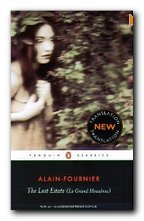
Neglected classics - Le Grand MeaulnesLe Grand Meaulnes (1913) Alain Fournier’s semi-autobiographical gem (usually translated into English as The Lost Domain) is an idyllic evocation of boyhood and adolescence. It’s a novel of teenage self-discovery and enormous charm. Two schoolboys stumble upon a semi-mythical realm set deep in the French countryside and fall in love with a girl who they can never later re-trace. This is a lyrical and atmospheric novel which evokes a fin de siécle innocence and romanticism which would be wiped out by the first world war – which was hovering just around the corner and cost Fournier his life fighting on the Meuse in 1914.
neglected classics Buy the book from Amazon UK
neglected classics Buy the book from Amazon US


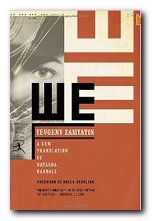
Neglected classics - We - ZamyatinWe (1920) Yevgeny Zamyatin’s tale is a very original and futuristic dystopia which prophesies Stalinism and the failure of the revolution to be truly revolutionary. It is set in a totally regulated society where people are known by numbers, and in which two lovers embody irrational urges towards which the state is hostile. It’s written in a dazzlingly poetic and experimental style, influenced by the early developments of Russian modernism. The novel was reviewed by George Orwell and heavily ‘influenced’ his novel Nineteen Eighty-Four. This is the original, and you”ll be pleased to discover that it’s far superior.
neglected classics Buy the book from Amazon UK
neglected classics Buy the book from Amazon US


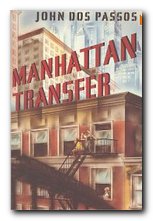
Neglected classics - Manhattan TransferManhattan Transfer (1925) John dos Passos is an unjustly neglected master of American experimental realism from the modernist period. He writes in a manner which combines multiple characters and perspectives, fragmented narratives running in parallel, stream-of-consciousness passages, the insertion of contemporary newspaper reports, potted biographies, popular songs, flash-backs and flash-forwards. The result is an expressionistic mosaic which captures the speed and chaos of modern life. His story is always one of ordinary working people struggling to make a living and a life in the modern city, which is under the control of monopoly capitalists. And his setting is almost always the city – New York City. Start with Manhattan Transfer, which is less demanding and more coherent. If you like that, move on to his chef d’oeuvre USA, which is three novels rolled into one.
neglected classics Buy the book from Amazon UK
neglected classics Buy the book from Amazon US


Neglected classics - Auto da FeAuto da Fe (1935) Elias Canetti’s only novel is the story of Peter Kien, a distinguished scholar and obsessive bibliophile who ends up setting fire to his own library. The novel was inspired by the burning of the Palace of Justice in Vienna in 1927, and is partly a parable of Nazi book burning. The figure of Kien is loosely based on Immanuel Kant, the German philosopher who was famous for his invariable habits. Kien deviates from his own spartan routines with disastrous results. Canetti wrote the novel when he was only twenty-five, and wrote little else except memoirs until he was awarded the Nobel Prize in 1981.
neglected classics Buy the book from Amazon UK
neglected classics Buy the book from Amazon US


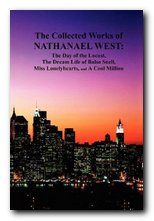
Neglected classics - Nathaniel West's novels Miss Lonelyhearts (1933) Nathaniel West’s novel concerns a newspaper columnist who deals with the problem letters from readers – most of them bordering on the humanly tragic. He innocently and for the best motives begins to take them seriously, and tries to help the people who send them. He is destroyed as a result. West is a much underrated master of black comedy. The Day of the Locust (1939) is his greatest novel – a searing critique of the movie business in which West briefly worked. It focuses on the lonely misfits and cranks drawn by Hollywood and the American Dream, and ends in an apocalyptic frenzy of hatred, self-destruction, and the burning of Los Angeles. Both novels, plus A Cool Million and The Dream Life of Balso Snell in one volume.
neglected classics Buy the book from Amazon UK
neglected classics Buy the book from Amazon US


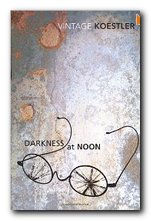
Neglected classics - Darkness at NoonDarkness at Noon (1940) Arthur Koestler’s novel is one of the classics capturing all the madness and tyranny of the Stalinist purges in the 1930s. Comrade Rubashov, an old Bolshevik, is accused of betraying the State he helped to create. The novel follows his physical and psychological torture until he finally agrees to make a false confession against himself, and following a completely corrupt show trial he is executed as a traitor. Grim; not for the faint-hearted; and politically spot-on in the light of everything we have learned since. It profits from being dramatically concentrated in time and place on Rubashov in his prison cell, but for a more wide-ranging novel which shows the madness of stalinism in a much wider social perspective, try Victor Serge’s The Case of Comrade Tulayev.
neglected classics Buy the book from Amazon UK
neglected classics Buy the book from Amazon US


Neglected classics - The Master and MargaritaThe Master and Margarita (1940/1973) Mikhail Bulgakov’s greatest novel is a wonderful mixture of realism and fantasy which offers a satirical view of communist Russia. The story involves the arrival of the Devil into Moscow, causing all sort of comic mischief. This story is interspersed with chapters dealing with Pontius Pilate and the crucifixion of Jesus Christ, plus other sections related to an artist and his relationships with his art and his lover. All three layers of the story are blended into one with spellbinding imaginative force. Bulgakov burnt the manuscript of his book in despair when being persecuted under the Stalinist tyranny. Fortunately, he lived just long enough to re-write it.
neglected classics Buy the book from Amazon UK
neglected classics Buy the book from Amazon US


Neglected classics - Invisible ManInvisible Man (1952) Ralph Ellison’s powerful novel is the search of an unnamed black American man for his own identity in a society which denies it to him at every turn. It is told with a combination of deadly seriousness and great comic panache. The hero is presented with or stumbles into a range of roles – from Uncle Tom, through political activist, to Superstud and Black Muslim. He uncovers the racism and existential inauthenticity in all of them, and in the end ‘goes Underground’ as a form of escape. This novel is profound, beautifully written, and very funny. It’s a great shame Ralph Ellison wrote so little else.
neglected classics Buy the book from Amazon UK
neglected classics Buy the book from Amazon US


Neglected classics - The Lost StepsThe Lost Steps (1953) Alejo Carpentier’s novel is a story told twice. A disillusioned north-American musicologist flees his empty existence in New York City. He takes a journey with his mistress to one of the few remaining areas of the world not yet touched by civilization – the upper reaches of a great South American river. The novel describes his search, his adventures, the revival of his creative powers, and the remarkable decision he makes in a village that seems to be truly outside history. Wonderful evocations of Latin America from the writer who founded the idea of ‘Magical Realism’.
neglected classics Buy the book from Amazon UK
neglected classics Buy the book from Amazon US


Neglected classics - The Tin DrumThe Tin Drum (1956) This was Günter Grass’s first novel, and it is still probably his best. In it, he makes a brave and imaginative attempt to come to terms with the German experience between 1930 and 1950. Set in Danzig where Grass grew up, it starts with the rise of fascism, goes through the horrors of WWII, and ends just after the dubious Economic Miracle of the post-war years. The ambiguous hero is a dwarf who is pathologically attached to his toy drum, who wills himself not to grow, and whose voice can shatter glass. This is a comic yet disturbing fantasy which combines elements of Grass’s own biography with notions of collective and individual responsibility for German war guilt. Despite his later fame and productivity (plus the Nobel Prize in 1999) this novel will be due for renewed critical examination, following Grass’s recent confession that he enlisted in the Waffen-SS during the war.
neglected classics Buy the book from Amazon UK
neglected classics Buy the book from Amazon US


Neglected classics - Doctor ZhivagoDr Zhivago (1957) Boris Pasternak’s novel is a sprawling epic of the Russian revolution, a passionate love story, and a memorable portrait of a doctor-poet caught up in the merciless wheels of history. Zhivago seeks to do good and live with simple dignity, but his efforts are thwarted by war, a revolution in which he is forced to participate, and his love affair with Lara, who is married to a Bolshevik general. Pasternak received the Nobel Prize for this novel in 1958, but was forced to refuse it by the Soviet authorities at the time. Some commentators have criticised the novel for being rather traditional in its used of drama and suspense – but these features are precisely what gives it such appeal for general readers.
neglected classics Buy the book from Amazon UK
neglected classics Buy the book from Amazon US


Neglected classics - Wide Sargasso SeaWide Sargasso Sea (1966)
Jean Rhys’ novel is a rare case of a ‘prequel’ which is as interesting, well written, and as original as the work to which it refers. This is the story of Mr Rochester’s first wife (before Jane Eyre) and how he came to bring her from the West Indies. It’s a vivid evocation of the Caribbean; a psychologically convincing portrait of a woman’s identity under threat from the twin forces of male dominance and enforced deracination; and a wonderfully lyrical narrative, full of poetic imagery and brooding force. This book re-established Jean Rhys’s reputation after decades of neglect.
neglected classics Buy the book from Amazon UK
neglected classics Buy the book from Amazon US


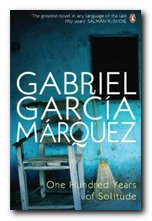
Neglected classics - One Hundred Years of SolitudeOne Hundred Years of Solitude (1967) Gabriel Garcia Marquez is the novelist who really put ‘magical realism’ on the world literary map. This is a sprawling epic which conveys the essence of Latin America via the saga of the Buendia family that mirrors the history of Colombia. Like many of his works, it is set in the fictional town of Macondo, a place much like García Márquez’s native Aracataca. Mixing realism and fantasy, the novel is both the story of the decay of the town and an ironic epic of human experience. Readers should expect levitating priests, time which goes backwards, and plagues of flowers and civic forgetfulness. Marquez has gone on to write many more novels, but this one remains his greatest.
neglected classics Buy the book from Amazon UK
neglected classics Buy the book from Amazon US


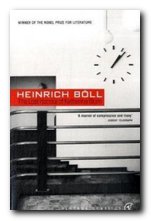
Neglected classics - Lost Honour of Katarina BlumThe Lost Honour of Katharina Blum (1969) This work by Heinrich Böll is a short, dramatic novel loosely based on the Baader-Meinhof affair. It is Böll’s scathing critique of tabloid journalism at its worst and Germany’s panic-driven anti-terrorist laws. A young woman is arrested for harbouring her lover, a suspected terrorist, who is in fact an army deserter. She is harassed by the police and a particularly obnoxious reporter. When he confronts her at her mother’s funeral she agrees to give him her story; but when they meet up and he suggests they have sex, she shoots him instead. Böll is a left-wing Catholic in the mould of Graham Greene. This is an intelligent and sensitive response to the moral outcry over European ‘terrorism’ which began in the late 1960s.
neglected classics Buy the book from Amazon UK
neglected classics Buy the book from Amazon US


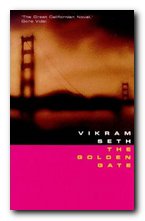
Neglected classics - The Golden GateThe Golden Gate (1989) Vikram Seth’s is a novel of modern life, written in verse , and set in California. It’s very charming, yet deals with important the fundamentals of life such as birth, friendship, love, and death. It was inspired by Pushkin’s novel in sonnet form, Eugene Onegin, and it contains some wonderfully poetic images and stunning rhymes. It’s a celebration of everyday existence, with strong ecological sympathies and an amazing variety of domestic pets. Guaranteed to please. Don’t let the idea of a novel in verse put you off: it’s a gem, and a linguistic treat. The text is presented, like Pushkin’s masterpiece, as one sonnet on each page. Every one is a self-contained work of art
neglected classics Buy the book from Amazon UK
neglected classics Buy the book from Amazon US


Neglected classics - The ConservationistThe Conservationist (1990) Nadine Gordimer has had a long and distinguished career as a novelist, but this has possibly emerged as her greatest work. A white South-African businessman keeps a farm in the country which he visits at weekends. He tries to do The Right Thing ecologically but cannot, because he does not truly live there. The Africans who work for him eventually emerge as the true inheritors of the earth. Gordimer charts the problems of a society divided by racism, colonialism, class, and political history. She expresses very eloquently the relationship between people and land. Fluent writing, great style, and lots of political commitment, but wrapped up in a non-judgemental way.
neglected classics Buy the book from Amazon UK
neglected classics Buy the book from Amazon US

© Roy Johnson 2009


More on literary studies
More on writing skills
More on creative writing
More on grammar

Filed Under: 20C Literature Tagged With: Classic novels, Literary studies, Modern classics, The novel, Twentieth Century Classic Novels

  • « Previous Page
  • 1
  • …
  • 85
  • 86
  • 87
  • 88
  • 89
  • …
  • 103
  • Next Page »

Get in touch

info@mantex.co.uk

Content © Mantex 2016
  • About Us
  • Advertising
  • Clients
  • Contact
  • FAQ
  • Links
  • Services
  • Reviews
  • Sitemap
  • T & C’s
  • Testimonials
  • Privacy

Copyright © 2026 · Mantex

Copyright © 2026 · News Pro Theme on Genesis Framework · WordPress · Log in